


The Allure of Risk and Reward
The psychology of decision-making in casinos is deeply intertwined with the concepts of risk and reward. Players are often drawn to the excitement of potential wins, which can trigger a rush of adrenaline. This emotional response can lead to impulsive choices, making it difficult for individuals to adhere to a rational strategy. The thrill of betting can overshadow the practical aspects of each wager, creating an environment where logic takes a backseat to the lure of possibility. In this context, the best bitcoin sports betting sites offer a modern twist on traditional wagering, engaging new players with unique features.
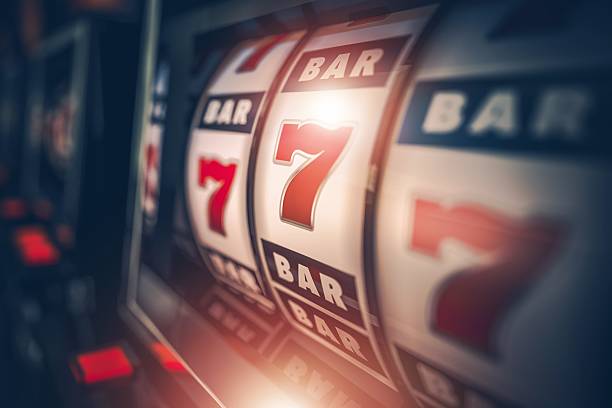
The design of casino games also fosters this mindset. Bright lights, engaging sounds, and visually appealing graphics are all carefully crafted to heighten excitement and encourage players to take risks. This sensory stimulation can reinforce the emotional aspects of decision-making, leading players to chase losses or continue playing despite unfavorable odds. Understanding this psychological manipulation is crucial for both players and casino operators.
The Role of Cognitive Biases
Cognitive biases play a significant role in how players perceive their chances of winning. One common bias is the illusion of control, where individuals believe they can influence outcomes that are inherently random, such as slot machines or roulette wheels. This misconception can lead to overconfidence, prompting players to make more frequent and larger bets than they would otherwise consider rational.
Another prevalent cognitive bias in casino decision-making is the gambler’s fallacy, where players assume that past outcomes will influence future events. For example, if a particular number hasn’t appeared in a while, a player may believe it is “due” to come up, leading to poor betting choices. Recognizing these biases can aid players in making more informed and strategic decisions, allowing them to combat the emotional impulses that casinos often exploit.
The Impact of Environment
The casino environment itself heavily influences decision-making processes. The layout of a casino is intentionally designed to disorient and immerse players, often leading to prolonged gambling sessions. The combination of sounds, aromas, and visual stimuli creates a unique atmosphere that encourages players to lose track of time and money.
Additionally, the presence of other players can impact individual decision-making. Social dynamics can foster competitive behavior, where players might feel pressured to increase their bets or continue playing to maintain their social standing within the group. The environment, in tandem with psychological factors, shapes the overall experience of gambling and influences the decisions made on the casino floor.
The Reward System in the Brain
The neurological aspects of gambling reveal how decision-making is processed at a biological level. Engaging in casino activities can activate the brain’s reward system, releasing dopamine—often referred to as the “feel-good” neurotransmitter. This biochemical reaction reinforces the behavior, making players more likely to return to the casino in search of that rush again.
As players continue to gamble, they may become desensitized to the highs and lows of winning and losing. This can lead to a cycle where the thrill of the game becomes addictive, further complicating the decision-making process. Understanding the biological impulses behind gambling can provide insights for individuals seeking to manage their behaviors and for casinos aiming to create responsible gaming environments.
Your Guide to Informed Casino Choices
Gambling can be an exhilarating pastime, but understanding the psychological underpinnings can empower individuals to make more informed choices. Awareness of cognitive biases, the influence of environment, and the brain’s reward mechanisms can lead to healthier decision-making patterns. By recognizing these elements, players can better navigate their experiences and engage with casinos on their terms.
Ultimately, informed players are not only more likely to enjoy their time at the casino, but they can also cultivate a more balanced approach to risk and reward. By exploring the hidden psychology behind casino decision-making, enthusiasts can enhance their enjoyment and control over their gambling experiences.